Deafness in Senior Cats: Signs & Care
Hearing loss is common in older cats and easy to miss. Learn the signs your senior cat is going deaf, the causes worth ruling out, and how to keep a deaf cat safe and happy.
Hearing loss creeps up so gradually in older cats that many owners only realize what has happened once it is well advanced. A cat that used to dash to the kitchen at the first rattle of the food bag now stays curled up asleep, or startles when you touch it because it never heard you coming.
The reassuring truth is that deafness, while it cannot always be reversed, rarely diminishes a cat's quality of life. Cats rely heavily on scent, sight, and the touch-sensitive whiskers and paws, and a deaf cat adapts with surprising grace. This guide covers the signs of feline hearing loss, the causes worth checking, and the simple changes that keep a deaf senior cat safe and content. It is educational and meant to support, not replace, your veterinarian's care.
Comfort & Safety Picks for a Deaf Cat

Attivolife Motion Sensor Night Light
$14.79 on Amazon
Gentle light helps you and your cat move safely after dark
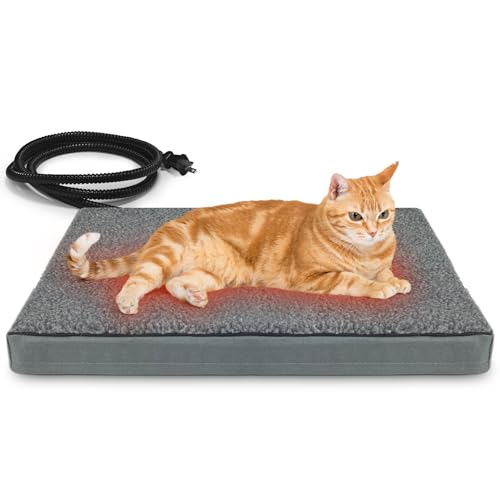
$29.59 on Amazon
A cozy, predictable resting spot for a senior cat to feel secure

Morpilot Soft-Sided Cat Carrier
$28.04 on Amazon
Calm, visible-handling transport for a deaf cat's vet visits

$17.97 on Amazon
Touch-based grooming becomes an even stronger bond for a deaf cat
Signs Your Cat May Be Going Deaf
Because cats are masters at compensating, hearing loss is easy to overlook. Watch for these clues.
- No longer responding to familiar sounds: The can opener, treat bag, or doorbell no longer brings the cat running.
- Sleeping through noise: The cat does not stir at sounds that used to wake it.
- Startling easily: The cat jumps when you approach from behind or touch it unexpectedly.
- Louder meowing: A cat that cannot hear its own voice often yowls much more loudly.
- Not answering to its name: The cat ignores a call it used to acknowledge.
A quick home test is to make a sound out of your cat's sight, such as jingling keys or clapping behind it, and watch for an ear twitch or head turn. Be careful not to create air movement or vibration that the cat could feel, which would mask a true hearing loss.
Why Hearing Fades With Age
The most common cause is simply age, as the delicate structures of the inner ear wear down over the years, just as they do in older people. Other causes are worth ruling out because some can be treated.
- Wax or debris: A plugged ear canal can muffle hearing and may clear with cleaning.
- Ear infections: Chronic or severe infections can reduce hearing, often reversibly.
- Polyps or tumors: Growths in the ear canal or middle ear can block sound.
- Medication effects: Certain drugs can affect hearing, which your vet will weigh.
- High blood pressure: Untreated hypertension can damage delicate structures, another reason for regular senior checks.
Senior Cat Wellness & Care Planner
Track your aging cat's health, meds, vet visits, mobility, nutrition, and quality of life — all in one printable planner.
Keeping a Deaf Cat Safe
A deaf cat cannot hear danger, so a few safety rules become essential.
- Keep it indoors: A deaf cat outdoors cannot hear traffic, dogs, or other threats. An enclosed catio is a safe alternative for outdoor time.
- Approach within sight: Move into your cat's field of view before touching it so you do not startle it.
- Use vibration to announce yourself: A gentle footstep on the floor sends a vibration the cat can feel before you arrive.
- Wake gently: Let a sleeping deaf cat smell your hand or feel a touch on its bed rather than being grabbed awake.
- Consider a tag or microchip note: If your cat ever slips outside, noting that it is deaf helps anyone who finds it.
Communicating Without Sound
Deaf cats are quick to learn visual and vibration cues. Many owners teach a simple hand signal for mealtime, a wave or a thumbs-up, and cats pick it up fast because they already read body language closely. Tapping or stomping the floor can summon a cat across the room through vibration. A flashlight beam or flicking a light switch can become a come-here signal. The trick is consistency: use the same cue the same way every time, and your cat will respond reliably.
Most deaf cats live full, affectionate, confident lives. Once your household learns to greet your cat where it can see you and to keep its world safe and predictable, the loss of hearing fades into a minor footnote in a long and contented life. If your cat's hearing changes suddenly or comes with a head tilt, circling, or loss of balance, call your veterinarian promptly, as that pattern needs a closer look.
Related Guides
- Vision Loss in Senior Cats - Helping a cat whose other senses are fading.
- Cognitive Dysfunction in Senior Cats - When loud night yowling is more than deafness.
- Hypertension in Senior Cats - A treatable threat to your cat's senses.
Frequently Asked Questions
How do I know if my senior cat is going deaf?
Deaf cats give themselves away in subtle ways. You may notice your cat no longer comes running for the can opener or treat bag, sleeps so deeply that ordinary sounds do not wake it, startles when you approach from behind, or meows much more loudly than before because it cannot hear its own voice. Some cats stop responding to their name or to the doorbell. A simple home check is to make a sound out of sight, such as jingling keys, and watch for an ear flick or head turn.
Why do old cats lose their hearing?
Age-related hearing loss, much like in people, is the most common reason and comes from gradual wear on the structures of the inner ear. Other causes include chronic ear infections, heavy wax or debris blocking the canal, ear polyps or tumors, certain medications that can affect hearing, and untreated high blood pressure. Because some of these are treatable, a cat that seems to be losing its hearing should be examined so reversible causes like infection or wax can be ruled out first.
Can deafness in cats be treated or reversed?
It depends on the cause. Hearing loss from a wax plug, an ear infection, inflammation, or a removable polyp can often be improved or reversed once the underlying problem is treated. Age-related nerve deafness, by contrast, is permanent and cannot be restored, much as in older humans. This is why a veterinary exam matters: it sorts the fixable causes from the permanent ones, and even when hearing cannot be restored, your cat can live a full, happy life with some simple adjustments.
How can I keep a deaf cat safe?
The single most important rule is to keep a deaf cat indoors or in a securely enclosed outdoor space, because it cannot hear traffic, dogs, or other dangers. Avoid startling your cat by approaching within its line of sight or gently stepping on the floor so it feels the vibration before you touch it. Always wake a sleeping deaf cat by letting it smell your hand or by touching the surface it rests on rather than the cat itself, to avoid a fearful, defensive reaction.
How do I communicate with a deaf cat?
Deaf cats adapt remarkably well using their other senses. Many owners teach hand signals for routine moments, such as a wave for mealtime, and cats learn them quickly because they are already attentive to body language. Vibration is useful too: tapping the floor or a stomp can get your cat's attention from across a room. A small flashlight or the flick of a light switch can serve as a come-here signal. Consistency is what makes these cues stick.
Will my deaf cat be more anxious or vocal?
Some deaf cats meow much more loudly than before because they cannot gauge their own volume, and this is normal rather than a sign of distress. A few cats become a little more anxious, particularly if startled often, which is why approaching within sight and using gentle vibration to announce yourself helps so much. Most deaf cats settle into confident, contented lives once their household learns to greet them visibly and keep their environment safe and predictable.
Is sudden deafness different from gradual hearing loss?
Yes, and it is more concerning. Gradual hearing loss over months in an old cat usually reflects age-related changes. Deafness that comes on suddenly, especially alongside head tilt, circling, loss of balance, or other neurological signs, can indicate an inner-ear problem, a polyp or tumor, a vascular event, or a drug reaction, and warrants prompt veterinary attention. Any abrupt change in your senior cat's hearing or balance is worth a same-week call to your veterinarian.
Need more help with your aging cat?
Browse our guides by topic to find practical solutions.
Wellness Planner — $39