Glucosamine vs Fish Oil for Senior Cats
Glucosamine vs fish oil for senior cats: how each supports aging joints, the evidence, dosing cautions, and whether to use both together for arthritis.
Arthritis is far more common in older cats than most owners realize. Studies suggest the majority of cats over 12 have degenerative joint changes on X-rays, yet cats hide pain so well that the stiffness often goes unnoticed until a cat stops jumping or struggles into the litter box. When owners look for help, two supplements come up again and again: glucosamine and fish oil.
They are not interchangeable. They work through entirely different mechanisms, and understanding that difference helps you choose, or, more often, combine them sensibly. This guide compares the two for aging feline joints.
Quick Comparison Picks

Nutramax Cosequin Joint Supplement for Cats
$13.97 on Amazon
Glucosamine and chondroitin sprinkle capsules to support cartilage

YUMA'S Hip & Joint Chews for Cats
$14.99 on Amazon
Glucosamine, MSM, and chondroitin chews for senior mobility

Nordic Naturals Omega-3 Fish Oil for Cats
$15.26 on Amazon
Concentrated EPA and DHA to help calm joint inflammation
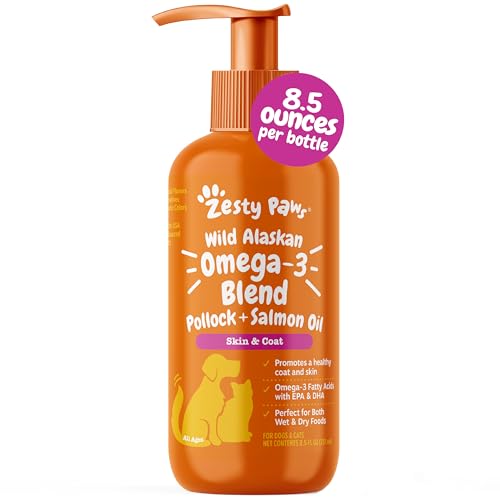
Zesty Paws Wild Alaskan Salmon Oil
$14.42 on Amazon
Omega-3 blend for coat, skin, and anti-inflammatory support
Quick Verdict
Fish oil (omega-3s) has the stronger evidence for easing arthritis inflammation and is the better starting point for joint pain. Glucosamine and chondroitin support joint structure and carry low risk, making them a reasonable complementary add-on. Our recommendation: with your vet's guidance, start with a quality feline fish oil for its anti-inflammatory benefit, and layer in glucosamine and chondroitin as supportive care. Many owners use a combined product. Neither replaces weight control or veterinary pain treatment.
The Practical Answer
Think of it as inflammation versus structure. Fish oil targets the inflammation that makes arthritic joints hurt, while glucosamine aims to support the cartilage and joint fluid. Using both covers more ground, which is why many feline joint products blend them. Talk to your vet about dosing for your cat's weight and health.
How Glucosamine Works
Glucosamine is a building block of cartilage and the fluid that cushions joints. Supplements pair it with chondroitin sulfate, and the theory is that supplying these raw materials helps the body maintain and repair joint surfaces. In cats, the research is limited and results are inconsistent, but the safety profile is good, so many veterinarians include it as part of a wider plan.
What to Expect
- Slow, gradual support over weeks, not a fast pain reliever
- Low risk of side effects in healthy cats
- Variable results, some cats improve, others show little change
- Best given as a cat-specific product at the labeled feline dose
How Fish Oil Works
Fish oil supplies the long-chain omega-3 fatty acids EPA and DHA, which the body converts into compounds that dampen inflammation. Because arthritis pain is driven largely by inflammation, reducing it can make a real difference in how an arthritic cat moves and feels. Omega-3s also support skin, coat, and kidney health, which is a bonus in seniors.
What to Expect
- Anti-inflammatory benefit with comparatively stronger evidence in pets
- Whole-body perks for coat, skin, and sometimes kidney support
- Dose matters: based on EPA and DHA content, not total oil
- Possible loose stool, weight gain, or clotting effects if overdone
Side-by-Side Comparison
| Factor | Glucosamine / Chondroitin | Fish Oil (Omega-3) |
|---|---|---|
| Main action | Supports joint structure | Reduces inflammation |
| Evidence in cats | Limited, mixed | Stronger |
| Speed of effect | Slow (4-8 weeks) | Slow to moderate (4-8 weeks) |
| Extra benefits | Few beyond joints | Coat, skin, kidney support |
| Main cautions | Generally low risk | Dose carefully; stool, clotting, weight |
| Form | Capsules, chews, sprinkles | Liquid pump, softgels |
| Best role | Supportive add-on | First-line supplement support |
Using Both Together
For most arthritic senior cats, combining the two makes sense. Fish oil works on the inflammation side while glucosamine and chondroitin support the joint structure. Many feline joint chews already blend both, which simplifies dosing. Introduce one supplement at a time so you can identify any digestive upset, and keep your veterinarian in the loop, especially if your cat has kidney or heart disease or takes other medications.
A Practical Combined Approach
Start with a cat-formulated omega-3 for its anti-inflammatory effect, then add a glucosamine and chondroitin product for structural support. Track real behaviors like jumping, stair use, and grooming over six to eight weeks to judge whether your cat is moving more comfortably.
Check Price on AmazonSupplements Are Only Part of the Plan
No supplement fixes feline arthritis on its own. The biggest levers are weight control, since extra pounds load painful joints, and environmental support: ramps or steps to favorite perches, a low-entry litter box, soft warm bedding, and food and water that do not require jumping. When supplements and home changes are not enough, ask your vet about prescription pain options, including the monoclonal antibody injection now approved for feline osteoarthritis pain.
Our Recommendation
Begin with a quality feline fish oil for its evidence-backed anti-inflammatory effect, and add glucosamine and chondroitin as low-risk structural support, ideally with your veterinarian's input on products and doses. Combine supplements with weight management, warm soft resting spots, and easy access to resources. Give any supplement six to eight weeks before deciding it is working, and never use human-formulated products without veterinary guidance. This article is educational and complements, not replaces, your veterinarian's care.
Senior Cat Wellness & Care Planner
Track your aging cat's health, meds, vet visits, mobility, nutrition, and quality of life — all in one printable planner.
Related Guides
- Signs Your Old Cat Is in Pain - Spot hidden arthritis
- Mobility & Arthritis Support - Ramps, steps, and home setup
- Heated vs Orthopedic Cat Beds - Comfort for stiff joints
Frequently Asked Questions
Should I give my senior cat glucosamine or fish oil for joints?
They work differently and are often used together. Glucosamine and chondroitin are joint-structure supplements meant to support cartilage and joint fluid, while fish oil provides omega-3 fatty acids (EPA and DHA) that help calm inflammation throughout the body. For arthritis, many vets favor omega-3s for their anti-inflammatory effect, and add glucosamine and chondroitin as a complementary support. Always confirm doses and product choice with your veterinarian.
Does glucosamine actually work for cats with arthritis?
The evidence in cats is mixed and weaker than for omega-3s, but glucosamine and chondroitin are widely considered low-risk, so many vets include them as part of a broader arthritis plan. Some cats appear more comfortable on them, while others show little change. Because results vary and are gradual, give a quality feline product for at least four to six weeks before judging, and pair it with weight control and environmental changes.
How much fish oil can I give my cat?
Dosing is based on the combined EPA and DHA content, not the total oil volume, and it varies with your cat's weight and health. Too much can cause loose stool, weight gain, or affect blood clotting. Use a product made for cats and follow your veterinarian's specific dose, especially if your cat has kidney disease, where omega-3s are sometimes recommended but must be dosed carefully. Never give human supplements without veterinary guidance.
Can I give my cat both glucosamine and fish oil together?
Yes, and combining them is common because they target different parts of the arthritis problem. Fish oil reduces inflammation while glucosamine and chondroitin support joint structure. Many feline joint chews actually blend both. Introduce one supplement at a time so you can spot any digestive upset, and keep your vet informed, particularly if your cat takes other medications or has kidney or heart disease.
How long until I see results from joint supplements in cats?
Joint supplements are slow and subtle, not quick fixes. Expect to wait four to eight weeks before judging whether your cat moves more easily, jumps more willingly, or grooms better. Track concrete behaviors like using stairs, getting into the litter box, or resting comfortably. If you see no change after two months, talk to your vet about prescription options such as the monoclonal antibody injection now available for feline arthritis pain.
Are there safer or stronger options than supplements for cat arthritis?
Supplements are supportive, not a cure. The most effective arthritis management combines weight control, easy access to resources, soft warm bedding, and, when needed, veterinary pain treatment. A monoclonal antibody injection specifically for feline osteoarthritis pain is now available and has helped many cats. Supplements complement these measures. Discuss a full plan with your vet rather than relying on any single product.
Need more help with your aging cat?
Browse our guides by topic to find practical solutions.
Wellness Planner — $39