Best Heated Cat Beds for Arthritis 2026
The best heated cat beds for arthritic senior cats. Compare electric vs self-warming, safety listings, and temperature control to soothe stiff, painful joints.
There is a reason an old cat hunts down the warmest spot in the house, the sunny patch on the carpet, the top of the radiator, the pile of warm laundry. Gentle heat loosens stiff joints and relaxes aching muscles, and arthritis makes a senior cat crave it. A heated bed brings that relief to a place of your choosing, on demand, through cold nights and stiff mornings.
The picks below were chosen by comparing how each bed delivers warmth, its safety listing and temperature control, the comfort of its surface, and verified owner feedback. We did not test these beds in a lab; we evaluated specifications, safety features, and a broad set of owner reviews to find options well suited to older, arthritic cats.
Top Heated Cat Beds at a Glance

K&H Pet Products K&H Thermo-Snuggle Cup Heated Bed
$38.99 on Amazon
Soft bomber-style cup with low, body-warm heat and a washable waterproof pad

INVENHO INVENHO Heated Cat Bed with Timer
$23.72 on Amazon
Adjustable temperature and timer with a waterproof, washable surface

K&H Pet Products K&H Thermo-Kitty Bed (Large)
$70.98 on Amazon
Plush round bed with a removable heater and safety-listed low warmth
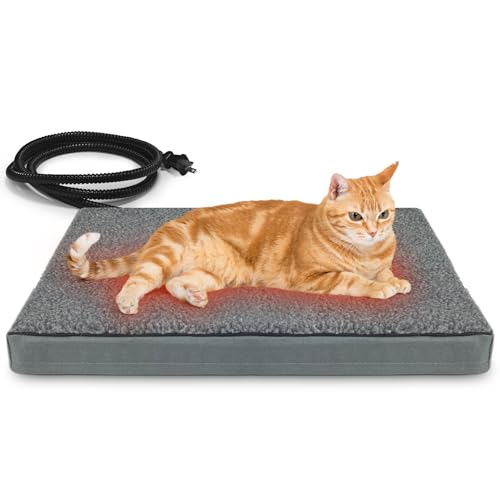
AUPETEK AUPETEK Heated Orthopedic Bed
$29.59 on Amazon
Warming foam bed with auto temperature control and a waterproof liner

Mora Pets Mora Pets Self-Warming Mat
$16.80 on Amazon
No-electricity thermal mat that reflects your cat's own body heat

Furhaven FurHaven ThermaNAP Self-Warming Mat
$10.98 on Amazon
Plush faux-fur mat with a self-warming layer, fully machine washable
Why Warmth Eases Arthritis
Heat is one of the oldest comfort measures for sore joints, and it works on cats the same way it works on us. Warming the tissue around a joint widens blood vessels, improves circulation, and helps tight muscles relax. For an arthritic cat, the difference is most obvious at the two times stiffness peaks: in cold weather and after a long period of stillness, such as a full night's sleep. A warm surface keeps the joints from seizing up, which is why heated beds often help with the restless shifting and slow, painful mornings older cats can develop.
Electric vs Self-Warming
Electric heated beds
Electric beds give steady warmth no matter how cold the room. A quality pet bed warms only to roughly a cat's body temperature, near 100 to 102 degrees Fahrenheit, so it feels cozy rather than hot. They are the better choice for very old, thin, or frail cats that can no longer hold their own heat. Look for a safety listing (MET or UL), a chew-resistant cord, and ideally automatic temperature control.
Self-warming beds
Self-warming beds contain a thermal reflective layer that bounces your cat's own body heat back at them. They use no power, so there is no cord, no burn risk, and no electricity bill, and they can go anywhere including a carrier. The trade-off is that they only amplify existing warmth, so in a genuinely cold room they do less than an electric bed. For many households the ideal is to own both.
How We Chose
- Safe, low heat: Beds engineered to body-warm temperatures, not hot, with safety listings on the electric models.
- Cord safety: Chew-resistant or steel-wrapped cords on electric beds.
- Washable comfort: Removable, machine-washable covers that stay soft.
- Support where possible: Foam-based options that combine warmth with joint cushioning.
- An off-grid option: Self-warming mats for owners who prefer no electricity near a sleeping cat.
Senior Cat Wellness & Care Planner
Track your aging cat's health, meds, vet visits, mobility, nutrition, and quality of life — all in one printable planner.
Heated Bed Safety Checklist
Heated cat beds are safe when used sensibly, but a few habits matter:
- Use a pet-specific bed, never a human heating pad, which runs far hotter.
- Check the cord regularly for chewing or fraying and unplug a damaged unit.
- Leave part of the bed or the surrounding floor cool so your cat can move off the heat if they wish.
- Place an electric bed on a solid surface, not buried under thick blankets that trap heat.
- Stop using any bed that feels hot to the touch, smells of burning, or shows wear.
Pairing Heat with Support
Warmth and orthopedic support solve different halves of the same problem. Heat relaxes the joints; foam takes the pressure off them. The most comfortable setup for a seriously arthritic cat combines the two, either through a heated bed built on supportive foam or by laying a self-warming mat on top of an orthopedic bed. If your cat is already managing arthritis, think of warmth as one layer in a broader comfort plan.
When to See the Vet
A heated bed soothes symptoms but does nothing for the underlying arthritis. If your cat has stopped jumping, moves stiffly, cries when touched, or has changed in appetite or litter habits, see your veterinarian. Feline-specific pain control exists, including the monthly Solensia injection, and warmth works best alongside a proper diagnosis and treatment plan.
Related Guides
- Best Orthopedic Cat Beds - Pressure-relieving foam to pair with gentle warmth.
- How to Help an Arthritic Cat - A room-by-room comfort guide for stiff senior cats.
- Signs Your Old Cat Is in Pain - The subtle cues cats use to hide discomfort.
Frequently Asked Questions
Does heat actually help an arthritic cat?
Gentle warmth increases blood flow to muscles and joints and helps stiff tissue relax, which is why so many arthritic cats seek out radiators, sunny windowsills, and laundry fresh from the dryer. A low-level heated bed gives that soothing warmth on demand, particularly in cold months and overnight when joints stiffen most. It is a comfort measure, not a cure, but many owners notice their cat rising more easily after resting on one.
Are heated cat beds safe to leave on?
Reputable electric heated cat beds are designed for continuous use and warm only to around a cat's body temperature, roughly 100 to 102 degrees Fahrenheit, rather than getting hot. Choose a bed that is safety-listed (look for MET or UL listing), has a chew-resistant cord, and ideally an auto temperature control. Self-warming beds use no electricity at all and carry no burn or fire risk, so they are the safest option if you are uneasy about leaving anything plugged in.
Electric or self-warming, which is better for a senior cat?
Electric beds provide steady, reliable warmth regardless of room temperature, which suits very old, thin, or frail cats that struggle to hold heat. Self-warming beds reflect your cat's own body heat back with a thermal layer and need no power, making them safer and more portable but less warming in a cold room. Many owners use both: a self-warming mat in mild weather and an electric bed for winter or for a cat with significant arthritis.
What temperature should a heated cat bed be?
It should feel pleasantly warm to your hand, never hot. Quality electric pet beds are engineered to reach about your cat's natural body temperature, near 100 to 102 degrees Fahrenheit, so the cat feels warmth without any risk of burning. Avoid human heating pads, which run far hotter and lack the low-temperature design and safety cutoffs built into pet-specific beds.
Can a heated bed burn or overheat my cat?
A properly designed, safety-listed pet bed should not, because it is built to maintain a low, body-warm temperature rather than climb hot. The real risks come from using human heating pads, damaged cords, or off-brand products without safety certification. Always inspect the cord, place the bed where your cat can move off the warm spot if they wish, and stop using any bed that feels hot, smells of burning, or shows wear.
Will a heated bed help my cat sleep through the night?
Often, yes. Arthritis pain and stiffness tend to be worst in the cold and after long periods of rest, which is exactly when a cat is sleeping overnight. A warm, supportive surface helps stiff joints stay loose and can reduce the restless shifting and night waking that some arthritic senior cats develop. Pairing warmth with orthopedic foam support gives the best results.
My cat ignores the heated bed. How do I encourage them?
Place it where your cat already likes to nap, especially a spot they go to for warmth like a sunny window or near a radiator. Let an electric bed warm up before introducing it so the surface already feels inviting, add a familiar-smelling blanket, and resist washing the cover at first so it picks up your cat's scent. A pinch of catnip can help. Most cats claim a warm bed quickly once they discover it.
Need more help with your aging cat?
Browse our guides by topic to find practical solutions.
Wellness Planner — $39