Best Calming Music & Aids for Senior Cats 2026
How calming music helps an anxious aging cat, what the research shows, and the pheromone diffusers and calming aids that pair with it for a senior cat.
Anxiety is common in older cats. As hearing and sight fade, joints stiffen, and cognitive decline sets in, the world can start to feel less predictable, and a once-confident cat may become more easily unsettled. Calming music is one of the simplest, lowest-risk tools owners can reach for, and unlike many remedies it actually has research behind it. Used thoughtfully, and paired with a calm environment, it can help take the edge off stressful moments.
This guide covers what the science says about music for cats, when to use it, and the pheromone diffusers and calming aids that work alongside it. The products below were chosen by comparing ingredients, design, and verified owner reviews rather than hands-on testing.
Calming Aids That Pair With Music
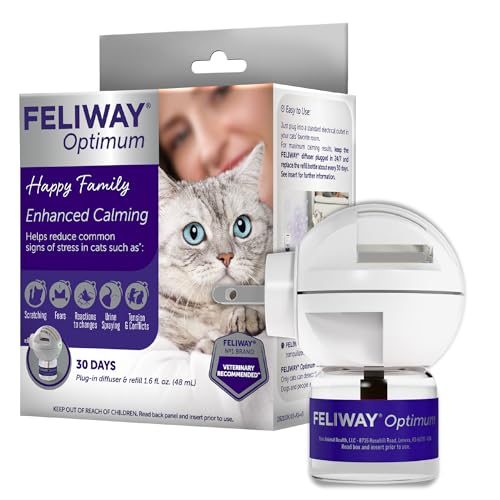
FELIWAY FELIWAY Optimum Calming Diffuser Kit
$29.99 on Amazon
Releases a calming feline pheromone to ease household anxiety

FELIWAY FELIWAY Classic Calming Diffuser Kit
$24.99 on Amazon
The original pheromone diffuser to help reduce stress at home

Sentry Sentry Calming Chews for Cats
$10.56 on Amazon
Calming aid to help manage anxiety before stressful events

Pet Honesty Pet Honesty Cat Calming Treats
Dual-texture calming treats for an anxious or restless senior cat
What the Research Says About Music for Cats
The most interesting findings come from studies on cat-specific music: compositions built around tempos close to a purr or a kitten suckling, and frequencies that sit within a cat's vocal range. In research settings, cats exposed to this kind of music during stressful events such as vet examinations showed calmer behavior than cats given classical music or silence. Some soft classical pieces also have a gentle settling effect. The takeaway is that the right sound, matched to feline hearing, can genuinely help a cat relax.
Music is not a cure for anxiety and will not fix an underlying medical or behavioral problem. But because it is free, easy, and carries no risk, it is a sensible first layer to add to any anxious cat's environment, especially around predictable stressors.
When Calming Music Helps Most
- Vet visits and travel: Play it in the carrier and car to ease a stressful journey.
- Time alone: A soft soundtrack can reassure a cat that becomes anxious when you leave.
- Loud events: Thunderstorms, fireworks, and noisy gatherings unsettle many senior cats.
- Restless nights: Older cats with cognitive decline often grow anxious and vocal after dark.
- Household changes: New people, pets, or furniture can disturb a sensitive aging cat.
Senior Cat Wellness & Care Planner
Track your aging cat's health, meds, vet visits, mobility, nutrition, and quality of life — all in one printable planner.
How to Use Music the Right Way
Start the music before the stressful event begins, so your cat associates the calm sound with feeling settled rather than with rising panic. Keep the volume low, at a soft background level well below what would be comfortable for you, because cats hear far more acutely than people and older cats can be especially sound-sensitive. Always let your cat move to a quiet room if it prefers, since the freedom to choose is itself calming. Choose steady, gentle tracks and avoid playlists that shift into loud or jarring sounds.
Pairing Music With Other Calming Tools
Music works best as one part of a calm environment. Pheromone diffusers release a synthetic version of the facial pheromone cats use to mark a space as safe, providing reassurance around the clock. Calming treats and chews can help around specific stressful events. Above all, predictable routines, quiet retreats, warm comfortable bedding, and easy access to resources do the heavy lifting for an anxious senior cat. Layering these tools together is far more effective than relying on any one alone.
When to See Your Veterinarian
A clear change in your cat's anxiety, especially new night yowling, disorientation, hiding, or restlessness, deserves a veterinary visit. Older cats can develop cognitive dysfunction, and conditions like hyperthyroidism, high blood pressure, pain, and sensory loss all raise anxiety. Music and calming aids are gentle support, not a substitute for diagnosis. Your vet can identify any medical cause and, where needed, prescribe treatment that addresses the root of the problem.
Related Guides
- How to Massage a Senior Cat - Another calming, bonding ritual for anxious cats.
- Managing Chronic Pain in Older Cats - Pain often drives anxiety in seniors.
- How to Keep an Arthritic Cat Comfortable - Build a calm, comfortable environment.
Frequently Asked Questions
Does calming music actually work for cats?
There is real research behind it. Studies have found that cats are calmer during stressful events, such as vet visits, when exposed to species-specific cat music, compositions built around feline-relevant tempos and frequencies, compared with classical music or silence. Some classical pieces also have a mild calming effect. Results vary by cat, and music is not a cure for anxiety, but for many cats it is a simple, no-risk way to take the edge off stressful moments.
What kind of music calms cats best?
Cat-specific music designed by researchers tends to work better than human music because it uses tempos close to a purr or suckling rhythm and frequencies in a cat's vocal range. Where human music helps, soft, slow, steady pieces, gentle classical or ambient, work best, while loud, fast, or bass-heavy music can do the opposite. Avoid anything jarring. The goal is a calm, predictable background sound rather than entertainment.
When should I play calming music for my senior cat?
It helps most around predictable stressors: before and during vet trips, when you leave the house, during thunderstorms or fireworks, when visitors arrive, or at night if your older cat is restless or yowls. Senior cats with cognitive decline often become more anxious, especially after dark, and a soft, familiar soundtrack can provide reassuring consistency. Start the music before the stressful event begins rather than once your cat is already upset.
Can music help a cat with cognitive decline or night yowling?
It may take the edge off, but it is not a treatment. Older cats with feline cognitive dysfunction often become disoriented and vocal at night. A quiet, steady soundtrack can add calming background sound, but the more important steps are a vet evaluation, nightlights, predictable routines, and sometimes prescribed support. Use music as one gentle layer alongside, not instead of, veterinary care for a cat whose behavior has clearly changed.
Are pheromone diffusers better than music?
They work differently and pair well. Calming music addresses sound and routine, while a pheromone diffuser releases a synthetic copy of the facial pheromone cats use to mark a space as safe, which many cats find reassuring around the clock. Neither is a guaranteed fix, but using both together, plus a calm environment and predictable routine, gives an anxious senior cat more layers of support than any single approach on its own.
How loud should the music be?
Keep it quiet, at a soft background level, well below a volume that would be comfortable for you. Cats have far more sensitive hearing than people, so what seems gentle to you may be loud to them, and older cats can be more sound-sensitive. The aim is a calm, almost subliminal layer of sound, not a feature you actively notice. If your cat leaves the room or seems agitated, turn it down or off.
Is it okay to leave music playing all day?
Soft calming music or a steady ambient track is fine to leave on at a low volume, and some cats find the consistency reassuring when home alone. Just make sure your cat can move to a quiet room if it wants, since the ability to choose matters. Avoid playlists that shift into loud or jarring tracks. For most cats, targeted use around stressful events is more effective than constant background sound.
Need more help with your aging cat?
Browse our guides by topic to find practical solutions.
Wellness Planner — $39