Senior Norwegian Forest Cat Care Guide
Caring for an aging Norwegian Forest Cat: HCM heart disease, GSD IV, hip dysplasia and arthritis, thick coat grooming, and the best products for senior Wegies.
The Norwegian Forest Cat, affectionately called the Wegie, is a magnificent, sturdy breed built for the cold Scandinavian forests it came from. With its dense double coat, plumed tail, tufted ears, and substantial muscular frame, it looks every bit the rugged mountain cat of Norse legend. Wegies are gentle, patient, and slow to mature, often staying playful and people-oriented deep into their senior years.
With a typical lifespan of 14 to 16 years, most Norwegian Forest Cats are considered senior around age 9 or 10. This guide walks through the breed's most important aging concerns, from the heart condition it shares with other large breeds to its inherited metabolic risk, joint health, and the coat care that a big, fluffy cat needs as it ages. It is educational and meant to complement, not replace, the care of your veterinarian.
Top Picks for Senior Norwegian Forest Cats

VICSOM Taurine & CoQ10 Heart Chews
$15.19 on Amazon
Taurine, CoQ10, and L-carnitine to support the heart in an HCM-prone breed.
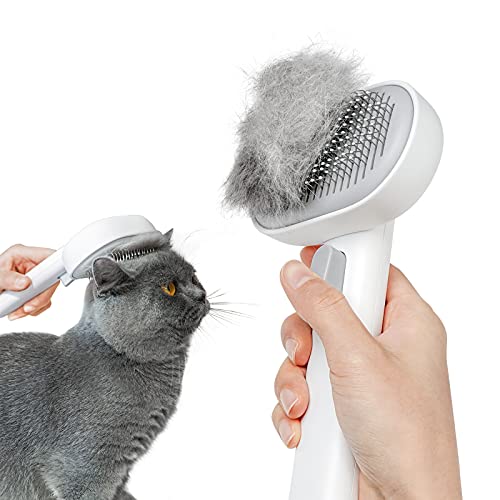
Aumuca Soft Cat Grooming Brush
$13.49 on Amazon
Detangles the dense double coat and reduces painful mats in seniors.

Pet Honesty Hairball Remedy Chews
Fiber and omega chews to manage hairballs from a heavy coat.
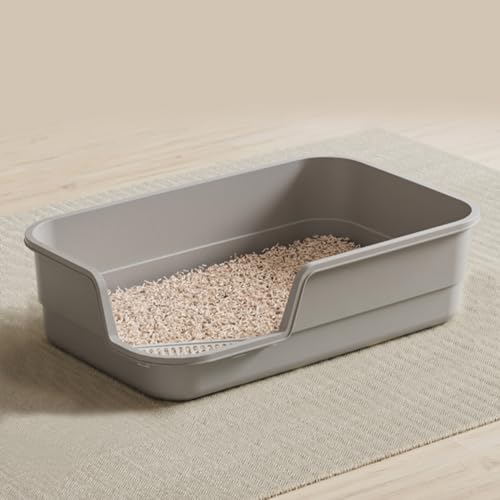
LoopTime Extra-Large High-Sided Litter Box
$39.99 on Amazon
Roomy box sized for a big cat to turn and posture comfortably.
Hypertrophic Cardiomyopathy: The Heart Risk
The most significant inherited concern for the Norwegian Forest Cat is hypertrophic cardiomyopathy, the same heart disease that troubles several large breeds. In HCM, the muscular wall of the heart's main pumping chamber thickens, so it holds less blood and cannot relax to fill properly. The danger is that it is usually silent, and many cats show no signs until they suddenly suffer heart failure, a painful blood clot known as a saddle thrombus, or sudden death.
Because the disease hides, periodic echocardiograms by a veterinary cardiologist are the most reliable way to catch it in a predisposed breed. At home, count your sleeping cat's breaths over a full minute: a healthy cat usually stays under 30, and a consistent rise can be an early warning of fluid building up around the lungs. A senior Wegie should also have its blood pressure checked at each visit, since high blood pressure strains an already vulnerable heart. Learn more in our guide to heart disease and HCM in senior cats.
Haven Pet Insurance for Senior Cats.Coverage for accidents, illness, and the chronic conditions that drive the biggest senior-cat vet bills (kidney disease, hyperthyroidism, diabetes). Get a fast, free quote using your cat’s breed, age, and zip, then see your monthly premium before you commit.Sponsored
Glycogen Storage Disease Type IV
The Norwegian Forest Cat is the only breed associated with glycogen storage disease type IV, a rare inherited metabolic disorder. An enzyme defect prevents the body from properly building and breaking down glycogen, the form in which cells store energy. The severe form causes most affected kittens to be stillborn or to die in the first weeks of life, while a smaller number survive longer and develop progressive muscle weakness, tremors, and difficulty walking.
Because this is a disease of young animals, a cat that has reached its senior years is very unlikely to be affected, which is reassuring. The reason it matters to owners is breeding: a reliable DNA test identifies carriers, and responsible breeders screen their lines so that two carriers are never paired. If you are caring for an older Wegie, the practical lesson is to source future kittens from breeders who test, and to know your cat's genetic background when discussing any unusual neuromuscular signs with your veterinarian.
Senior Cat Wellness & Care Planner
Track your aging cat's health, meds, vet visits, mobility, nutrition, and quality of life — all in one printable planner.
Hip Dysplasia and Arthritis in a Heavy Cat
Like other large breeds, the Norwegian Forest Cat carries a recognized predisposition to hip dysplasia, a poorly formed hip joint that grinds toward arthritis over time. Add the breed's considerable weight, and the joints carry a real load across a long life. By the senior years, many Wegies have some degree of osteoarthritis in the hips, knees, or spine, even though they rarely limp the way a dog would.
Instead, watch for the feline version of joint pain: a cat that no longer leaps to the counter, takes stairs one at a time, sleeps in easier-to-reach spots, or grooms less over the lower back. Keep your cat lean, offer a daily joint supplement with glucosamine and chondroitin, add an omega-3 fatty acid for its anti-inflammatory effect, and place steps or ramps to favorite perches. For a fuller picture, see signs your old cat is in pain.
Caring for That Thick Double Coat
The Wegie's dense, water-resistant double coat is one of its glories, but it demands maintenance, and an aging cat handles less of that work itself. Senior cats often groom less because arthritis makes twisting uncomfortable, so mats begin forming in the ruff, britches, belly, armpits, and behind the ears. Mats are not just unsightly: they tug painfully on thinning senior skin and can conceal wounds, fleas, or lumps.
Brush a senior Norwegian Forest Cat two or three times a week with a steel comb and a gentle slicker, working through the undercoat rather than just the surface. The extra fur a long-haired cat swallows means more hairballs, so a fiber-based hairball remedy is genuinely useful. Each grooming session doubles as a health check: run your hands over the body feeling for new lumps, mats, or sore spots, and provide an extra-large litter box that a big cat can use comfortably.
Related Senior Cat Guides
- Heart Disease & HCM in Senior Cats - The breed's signature risk explained in depth.
- Signs Your Old Cat Is in Pain - Reading the subtle language of feline discomfort.
- Common Health Problems in Senior Cats - The full picture of feline aging.
- All Breed-Specific Senior Cat Guides - Care tailored to your cat's breed.
Frequently Asked Questions
At what age is a Norwegian Forest Cat considered a senior?
The Norwegian Forest Cat, or Wegie, is slow to mature and often does not reach full size until four or five years old, but it is generally considered senior around 9 to 10. With a typical lifespan of 14 to 16 years, an aging Wegie benefits from twice-yearly veterinary visits, baseline bloodwork, blood pressure checks, and a periodic heart screen, since the breed's main inherited risks tend to develop quietly.
Are Norwegian Forest Cats prone to heart disease?
Yes, hypertrophic cardiomyopathy, or HCM, is the most significant inherited concern in the breed. The heart muscle thickens, the chamber cannot fill or relax properly, and the disease often hides until heart failure or a blood clot strikes. Senior Wegies benefit from periodic echocardiograms with a cardiologist. At home, counting your sleeping cat's breaths per minute, healthy is usually under 30, gives an early warning of trouble.
What is glycogen storage disease type IV?
Glycogen storage disease type IV (GSD IV) is a rare inherited metabolic disorder specific to the Norwegian Forest Cat. An enzyme defect prevents the body from properly storing and using glycogen, the cells' energy reserve. Most affected kittens are stillborn or die very young, but a milder form can appear later as muscle weakness and tremors. A DNA test identifies carriers, and reputable breeders screen for it.
How do I groom a senior Norwegian Forest Cat?
The Wegie's thick, water-resistant double coat needs brushing two or three times a week, increasing as the cat ages and grooms itself less efficiently. Focus on the dense ruff, britches, belly, and behind the ears, where mats form fastest. Mats tug painfully on thinning senior skin and can hide wounds or lumps. A steel comb plus a gentle slicker works well, and a hairball remedy manages the extra fur an aging long-haired cat swallows.
Are Norwegian Forest Cats prone to hip dysplasia?
Yes, like several large breeds the Norwegian Forest Cat has a documented predisposition to hip dysplasia, a malformation of the hip joint that leads to arthritis. Given the breed's substantial frame, the wear accumulates over a long life. Senior Wegies may hesitate to jump, take stairs slowly, or groom less over the hindquarters. Weight control, joint supplements, and ramps to favorite perches all ease the load on aging joints.
What should I feed a senior Norwegian Forest Cat?
Prioritize high-quality, protein-rich food with plenty of moisture to support kidney and urinary health. Many owners feed senior wet food, sometimes alongside a measured portion of dry, and watch weight closely because a big, fluffy frame can hide gradual changes. If heart disease, kidney disease, or arthritis is diagnosed, your veterinarian may recommend a therapeutic diet. Always keep fresh water available, ideally from a fountain.
How can I tell if my senior Wegie is in pain?
Cats hide pain instinctively, so watch for subtle changes: reduced jumping, hesitation on stairs, a matted or greasy coat from less grooming, irritability when touched along the back or hips, sleeping more, and litter box accidents. A Wegie that no longer leaps to a favorite perch is often signaling joint pain. Report these changes to your veterinarian, since safe feline pain relief and joint support can restore comfort.
Need more help with your aging cat?
Browse our guides by topic to find practical solutions.
Wellness Planner — $39