Senior Burmese Cat Care Guide
Caring for an aging Burmese: diabetes risk and low-carb feeding, hypokalemia and muscle weakness, weight control, dental care, and the best products for senior Burmese cats.
The Burmese is a compact, muscular, surprisingly heavy cat wrapped in a glossy satin coat, with round golden eyes and a personality that wins hearts. Famously affectionate and people-focused, Burmese are often called the most dog-like of cats, following their owners from room to room and insisting on a warm lap. They are also a long-lived breed, which makes attentive senior care a long and rewarding chapter.
With a typical lifespan of 16 to 18 years, most Burmese are considered senior around age 10 or 11. This guide focuses on the two inherited conditions that most shape Burmese aging, a strong predisposition to diabetes and the muscle-weakness disorder hypokalemia, along with the weight control and daily care that keep this devoted companion thriving. It is educational and meant to complement, not replace, the care of your veterinarian.
Top Picks for Senior Burmese Cats

Fancy Feast High-Protein Senior Wet Food
$21.04 on Amazon
Naturally low-carbohydrate, moisture-rich food for a diabetes-prone breed.

Veken Stainless Steel Water Fountain
$25.49 on Amazon
Encourages drinking to manage thirst and support aging kidneys.

Nordic Naturals Omega-3 Fish Oil for Cats
$15.26 on Amazon
Supports skin, joints, and metabolic health in a senior Burmese.
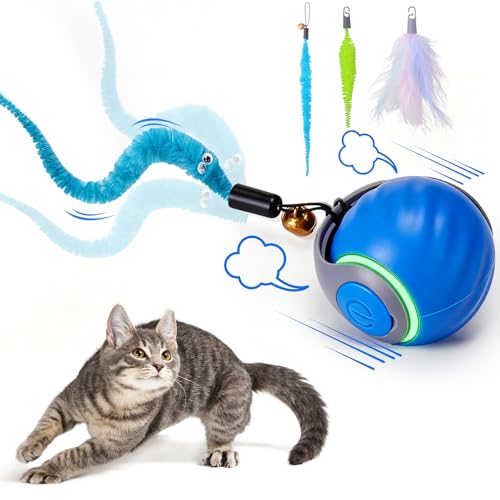
BABORUI Interactive Cat Toy Ball
$8.48 on Amazon
Encourages the daily play that controls weight and blood sugar.
Diabetes: The Breed's Signature Risk
If there is one health issue every Burmese owner should understand, it is diabetes mellitus. The Burmese carries one of the strongest breed predispositions to diabetes of any cat, especially in certain bloodlines, and the risk climbs as the cat ages and gains weight. In diabetes, the body either cannot produce enough insulin or cannot use it effectively, so blood sugar runs high and the cat's cells starve despite plenty of food.
The classic signs are increased thirst and urination, a hearty appetite paired with weight loss, and sometimes a weak, flat-footed gait in the hind legs. Because the disease is far easier to manage when caught early, a senior Burmese should have its blood glucose checked at every senior visit. The good news is that with a low-carbohydrate diet, weight control, and insulin when needed, many diabetic cats stabilize well and some even go into remission. Learn more in our guide to diabetes in senior cats.
Haven Pet Insurance for Senior Cats.Coverage for accidents, illness, and the chronic conditions that drive the biggest senior-cat vet bills (kidney disease, hyperthyroidism, diabetes). Get a fast, free quote using your cat’s breed, age, and zip, then see your monthly premium before you commit.Sponsored
Hypokalemia and Muscle Weakness
The Burmese can also inherit hypokalemic periodic polymyopathy, a disorder in which the level of potassium in the blood drops too low and triggers episodes of muscle weakness. The hallmark sign is striking: a cat that walks with its neck bent and its head hanging low, often called ventroflexion, sometimes alongside a stiff, wobbly, or reluctant gait. Episodes can come and go, and a frightened, weak cat is easy to mistake for one in pain or distress.
While the inherited form often appears in young cats, low potassium matters throughout life, and in senior Burmese it commonly accompanies chronic kidney disease, which causes the body to lose potassium through the urine. For that reason, any Burmese showing weakness, a dropped head, or trouble walking should have its blood potassium and kidney values measured promptly. Supplementation, guided by your veterinarian, often resolves the weakness quickly once the cause is confirmed.
Senior Cat Wellness & Care Planner
Track your aging cat's health, meds, vet visits, mobility, nutrition, and quality of life — all in one printable planner.
Weight Control and Low-Carb Feeding
Because diabetes and obesity are so tightly linked, weight management is the single most powerful thing you can do for a senior Burmese. These compact cats are deceptively heavy and have hearty appetites, so calories add up quickly on a sedentary indoor life. Excess weight does not just raise diabetes risk, it worsens arthritis and strains the heart and kidneys.
Feed measured portions of a high-quality, protein-rich, low-carbohydrate diet, and favor wet food, which is naturally lower in carbohydrates than dry kibble and better suited to a diabetes-prone breed. Avoid leaving food out all day, which makes both portion control and appetite monitoring impossible. Pair good feeding with daily play, easy for a Burmese given its social, game-loving nature, since activity burns calories and preserves the muscle that helps regulate blood sugar. See weight management for older cats for a structured plan.
The Devoted Companion in Old Age
The Burmese temperament is a gift that grows richer with age. These cats are intensely affectionate, crave human company, and often become even more attached as seniors. That closeness is more than charming, it is a health advantage: an owner who holds and plays with their cat every day notices the early weight loss, increased drinking, or subtle weakness that signal disease long before a once-a-year exam would.
Give your senior Burmese the company it needs, warm and comfortable resting spots near you, and gentle daily enrichment. Keep up dental care, since the breed is also prone to periodontal disease that strains the body, and provide an easy-access litter box on each floor. Browse our nutrition and comfort and pain sections for more ways to support a long, happy old age.
Related Senior Cat Guides
- Diabetes in Senior Cats - The breed's signature risk explained in depth.
- Weight Management for Older Cats - The key to preventing diabetes.
- Common Health Problems in Senior Cats - The full picture of feline aging.
- All Breed-Specific Senior Cat Guides - Care tailored to your cat's breed.
Frequently Asked Questions
At what age is a Burmese considered a senior?
Burmese cats are generally considered senior around 10 to 11 years of age, with a typical lifespan of 16 to 18 years and many cats living well into their late teens. This is a long-lived breed, so an aging Burmese spends many years in its senior stage. Twice-yearly veterinary visits, baseline bloodwork that includes blood glucose and potassium, blood pressure checks, and weight monitoring keep those extra years comfortable.
Why are Burmese cats prone to diabetes?
The Burmese has a well-documented breed predisposition to diabetes mellitus, particularly in some lines, and the risk rises with age and weight. In diabetes, the body cannot regulate blood sugar properly. Watch for increased thirst and urination, a big appetite alongside weight loss, and weakness in the hind legs. A senior Burmese should have its blood glucose checked routinely, since early detection and a low-carbohydrate diet greatly improve the outlook.
What is hypokalemia in Burmese cats?
Burmese cats can inherit hypokalemic periodic polymyopathy, a condition in which blood potassium drops too low and causes episodes of muscle weakness. The classic sign is a cat that walks with its head dropped low, a stiff or wobbly gait, or sudden weakness. While it often appears in young cats, low potassium also accompanies chronic kidney disease in seniors, so a Burmese with weakness should have its potassium and kidney values checked promptly.
How do I help a senior Burmese stay at a healthy weight?
Weight control is central for this diabetes-prone breed. Feed measured portions of a high-quality, protein-rich, low-carbohydrate diet rather than free-feeding, and favor wet food, which is naturally lower in carbohydrates than dry. Keep your social, playful Burmese active with daily interactive play, which both burns calories and maintains the muscle that helps regulate blood sugar. Obesity is the single biggest modifiable diabetes risk.
Are Burmese cats affectionate in old age?
Very much so. The Burmese is one of the most people-oriented cat breeds, often described as dog-like in its devotion, and that affectionate, lap-loving nature usually deepens with age. Senior Burmese crave company and can become stressed or withdrawn if left alone too much. This bond is also an asset for monitoring health, since an owner who handles their cat daily notices subtle changes in weight, appetite, and energy early.
What should I feed a senior Burmese?
Feed a high-quality, protein-rich, low-carbohydrate diet in measured portions, since this breed's diabetes and obesity risks make nutrition the most important lever you control. Wet food supports both weight management and the hydration that protects aging kidneys. If diabetes is diagnosed, your veterinarian will tailor a therapeutic low-carb diet and may pair it with insulin. Always keep fresh water readily available.
How can I tell if my senior Burmese is unwell?
Watch for the warning signs of the breed's main risks: increased thirst and urination and weight loss despite a good appetite, which suggest diabetes, and hind-leg weakness or a dropped head, which suggest low potassium. Add the general senior signals of reduced activity, hiding, dental pain, or litter box changes. Any of these warrants a veterinary visit with bloodwork, since early detection transforms the outlook for this long-lived breed.
Need more help with your aging cat?
Browse our guides by topic to find practical solutions.
Wellness Planner — $39