Best Calming Treats for Cats: Senior Cat Picks
The best calming treats for cats compared: L-theanine, tryptophan, chamomile, and melatonin chews to ease anxiety in senior cats, with vet-smart tips on safe use.
Calming Treats for an Anxious Cat
Stress shows up in cats of every age, but senior cats can be especially prone to it. Achy joints, fading senses, cognitive changes, and small disruptions to a beloved routine can all leave an older cat feeling unsettled. Calming treats offer one gentle, easy-to-use way to help. Given as a chew or soft bite, they deliver soothing ingredients from the inside and fit neatly into a daily routine or a pre-stress moment.
They are not magic, and they are not a substitute for veterinary care when anxiety is severe or medically driven. But for everyday tension and situational stress, the right calming treat can take real pressure off a worried cat. Below we compare top calming treats for cats, with notes on ingredients and best uses. Our picks reflect product specifications, ingredient profiles, brand reputation, and patterns across verified owner reviews rather than any hands-on testing.
Best Calming Treats for Cats

Pet Honesty Calming Treats for Cats
Dual-texture chews with calming ingredients for daily and situational stress

MULTIBITES Calming Chews with Chamomile & L-Tryptophan
$10.39 on Amazon
Big-count soft bites for everyday calm at a friendly price

Rocco & Roxie Supply Co. Calming Treats with Melatonin
Adds melatonin to support relaxation and restful sleep

MNQAXZ Soft Calming Chews (140 ct)
$11.29 on Amazon
Soft texture that suits seniors with sensitive teeth
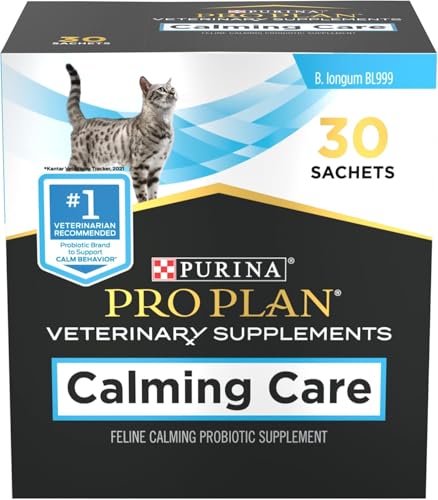
Pro Plan Veterinary Diets Pro Plan Calming Care Probiotic
$22.60 on Amazon
A vet-line probiotic supplement for steady, long-term calm

LEGITPET Crunchy Calming Cat Treats
$15.99 on Amazon
Daily crunchy chews for cats who prefer a firmer treat
What Goes Into a Good Calming Treat
The most useful calming treats rely on a short list of evidence-informed ingredients. L-theanine, an amino acid found in tea, promotes a relaxed-but-alert state. L-tryptophan supports serotonin production tied to mood and calm. Chamomile adds a mild soothing effect, and the milk-protein derivative often listed as alpha-casozepine is included for its gentle anti-anxiety properties. Some treats, like the Rocco & Roxie melatonin option, add melatonin to support relaxation and sleep, which can suit cats who struggle to settle at night.
Favor treats from reputable brands, ideally carrying NASC certification, with clear dosing by weight and without unnecessary fillers. A soft texture, as in the MNQAXZ chews, is kinder to senior cats with dental sensitivity, while crunchy options like LEGITPET suit cats who prefer a firmer bite.
Situational Versus Daily Calm
Calming products fall broadly into two camps. Fast-acting chews are designed for situational stress: give one ahead of a vet visit, a thunderstorm, houseguests, or travel, and they typically take effect within an hour or two. Daily-support options, especially probiotic-based supplements like Pro Plan Calming Care, are meant to be given every day and build their effect over weeks, helping cats with more constant, low-grade anxiety. Knowing which type you have prevents disappointment from expecting instant results from a slow-build product.
Choosing the Right Treat for Your Cat
| Need | Look For | Example Pick |
|---|---|---|
| Everyday situational stress | L-theanine, tryptophan, chamomile | Pet Honesty calming treats |
| Trouble settling at night | Added melatonin | Rocco & Roxie melatonin treats |
| Sensitive teeth | Soft chew texture | MNQAXZ soft chews |
| Constant, low-grade anxiety | Daily probiotic support | Pro Plan Calming Care |
| Budget-friendly daily calm | High count, simple formula | MULTIBITES chews |
Using Calming Treats Safely
For senior cats, a little caution goes a long way. Because older cats often have kidney disease, thyroid problems, or take medications, check with your veterinarian before starting any supplement, especially products with melatonin or added actives. Introduce one product at a time so you can judge its effect, follow the label dose for your cat's weight, and watch for digestive upset or unusual drowsiness. Most importantly, remember that treats manage symptoms but cannot fix a medical cause, so significant or sudden anxiety should always prompt a vet exam first.
Senior Cat Wellness & Care Planner
Track your aging cat's health, meds, vet visits, mobility, nutrition, and quality of life — all in one printable planner.
The Bottom Line
For most anxious cats, a well-formulated chew like Pet Honesty's calming treats is a sensible place to start, with a melatonin option for nighttime restlessness, a soft chew for tender teeth, or a daily probiotic for ongoing tension. Keep your expectations realistic: calming treats ease stress gently, they do not erase it, and they work best alongside a steady routine, good enrichment, and veterinary care for any underlying problem. Used thoughtfully, they are a simple, comforting tool for helping an anxious cat feel more at ease.
Related Guides
- Best Calming Products for Senior Cats - Diffusers, collars, and beds compared.
- Best Pheromone Diffusers for Cats - Drug-free calming plug-ins reviewed.
- Senior Cat Anxiety - Causes of stress in older cats and how to ease it.
Frequently Asked Questions
Do calming treats actually work for cats?
They can help take the edge off mild to moderate stress, though results vary from cat to cat and are usually gentle rather than sedating. Calming treats use ingredients like L-theanine, tryptophan, and chamomile that support relaxation. They work best for situational stress and as part of a broader plan that includes routine, enrichment, and any needed veterinary care. For severe anxiety, your vet may recommend stronger, prescription options.
What ingredients should I look for in cat calming treats?
Common evidence-informed ingredients include L-theanine, an amino acid that promotes calm; L-tryptophan, a serotonin precursor; chamomile, which is mildly soothing; and the milk-protein derivative often listed as alpha-casozepine. Some treats add melatonin for sleep support. Choose products from reputable brands, ideally with NASC certification, and check that dosing is appropriate for your cat's weight. Avoid treats with excessive fillers or vague proprietary blends.
Are calming treats safe for senior cats?
Most use ingredients generally regarded as safe, but senior cats often have conditions like kidney disease or take medications, so check with your veterinarian before starting any supplement. Introduce one product at a time, follow the label dose for your cat's weight, and watch for digestive upset or unusual drowsiness. Treats with melatonin or added active ingredients especially warrant a vet conversation if your cat has health issues or is on medication.
How long do calming treats take to work?
For situational stress, many treats take effect within roughly one to two hours, so giving one ahead of a known trigger like a vet visit or guests can help. Some formulas, particularly probiotic-based options, are designed for daily use and build their effect over several weeks of consistent dosing. Read the label to know whether your product is meant for quick situational support or steady long-term calm.
Can I give calming treats every day?
Many calming treats are formulated for daily use, while others are intended mainly for stressful events. Check the label and follow the recommended frequency and dose. For ongoing anxiety, a daily option or a probiotic-based supplement may suit better, whereas occasional stress may only call for a treat now and then. If you find yourself relying on daily treats, talk with your vet about addressing the underlying cause.
Calming treats or a pheromone diffuser, which is better?
They work differently and often pair well. Pheromone diffusers fill a room with a continuous, drug-free calming signal and suit ongoing household anxiety, while calming treats work from the inside and are handy for situational stress. Because both are low risk, many owners use them together: a diffuser for steady background calm and treats for predictable stressful moments. Confirm any supplement with your vet if your cat takes medication.
When should I see a vet instead of using calming treats?
See your vet first if anxiety is new, sudden, or significant, or if it comes with physical signs like weight loss, increased thirst, hiding, appetite changes, or litter box problems. In senior cats especially, anxiety often stems from pain or treatable disease such as hyperthyroidism or high blood pressure. Calming treats manage symptoms but cannot fix a medical cause, so a veterinary exam should come before relying on supplements.
Need more help with your aging cat?
Browse our guides by topic to find practical solutions.
Wellness Planner — $39